HALF-DAY SCHEDULE
There are many options to visit in Cuenca in a few hours; however, below, we present you a schedule that brings together the most important tourist spots in the city.
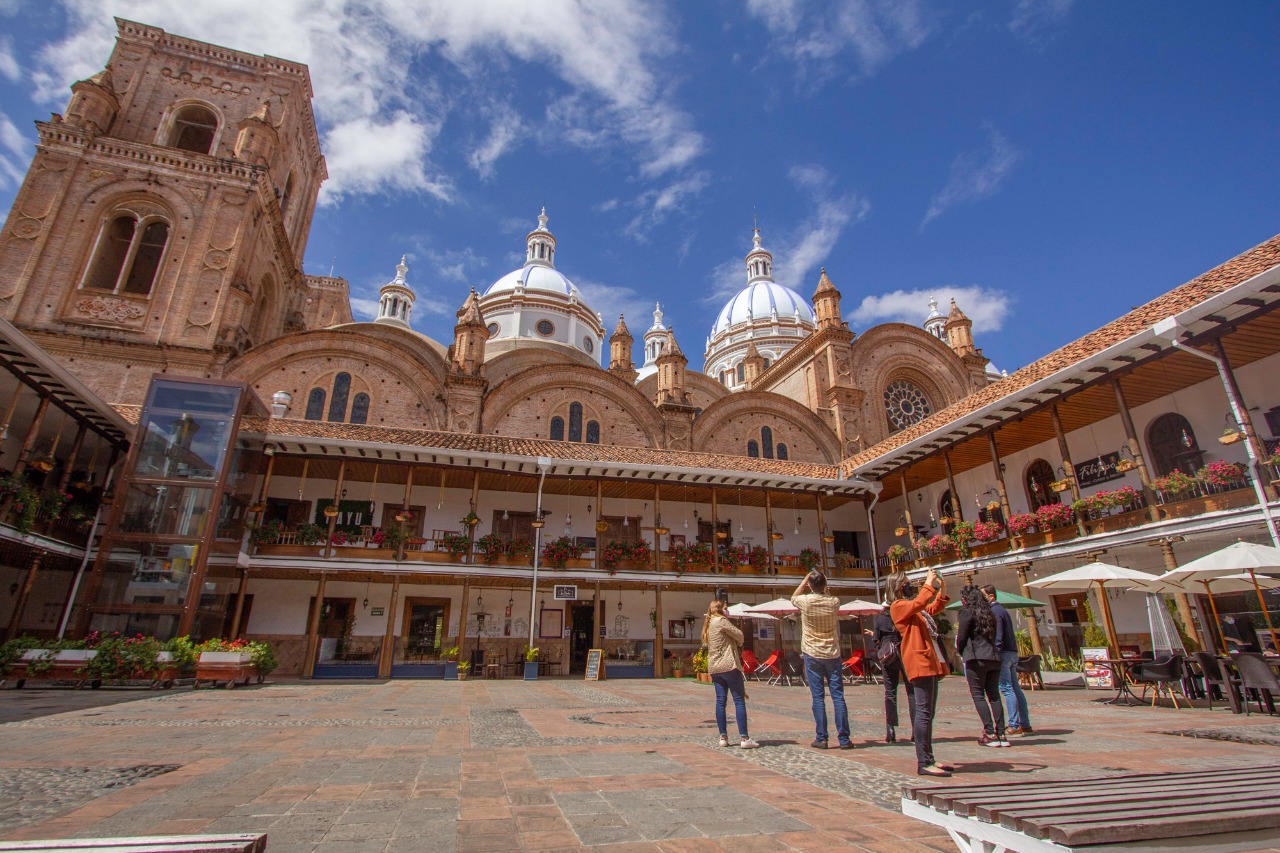
We recommend you start the tour with a visit to the Plaza de San Sebastián and its surroundings. Walk down from Simón Bolívar Street, where you will behold the French-influenced buildings, to the Inmaculada Concepción Cathedral (New Cathedral); from here we can go to various points of interest: Seminario San Luis, Santa Ana Street, Calderón Park, Catedral Vieja (Old Cathedral), Plaza de las Flores and the church of El Carmen de la Asunción. Next, visit the Sombrero de Paja Toquilla (“Panama hat”) Museum, the ravine of river Tomebamaba and the famous Puente Roto (a bridge).

FULL DAY SCHEDULE
To start the day in the perfect way, we recommend having breakfast in one of the traditional wood-fired oven bakeries located in the Todos Santos neighborhood at the historic sector of the city.
Next, we suggest a visit to the Cajas National Park, an area located just 32 km from the city of Cuenca. Its altitude ranges from 3,156 to 4,450 meters above sea level. It has an extension of 288 km2 and includes a lake complex of notable characteristics. It is the ideal spot for contact with nature, entertainment, environmental education, tourism and research.
At the National Park, we suggest you visit the following places:
Llaviucu Lagoon. Here, you are able to appreciate the landscape of the lower area of the Park, as well as the flora and fauna of it.
La Toreadora. The entrance is by km 31 of the Sayausí – Molleturo road. This place has a cafeteria, park rangers, an information desk and an interpretation center.
Tres Cruces viewpoint. Located in one of the highest areas of the Park (4,000 meters above sea level), it allows you to observe the wonder of this natural space. An important fact is that from this spot you are able to see the division of the current that goes to the Amazon River and the Pacific Ocean.
There are several restaurants in the surrounding area where you can enjoy trout served in its different recipes and other delicious local dishes.
In the afternoon you can visit the historic sector of the city, following the recommendations of the half-day schedule or you can visit museums; here are three options to choose from:
Pumapungo Ancestral Museum and Park.
– The museum guards the reserve and national ethnography room, where you can appreciate the enormous intercultural wealth of Ecuador. In the Pumapungo Ancestral Park, vestiges of the Inca civilization can be seen; visitors can also delight in the exuberant vegetation of the ethno-botanical garden.
Remigio Crespo Toral House Museum.- The house museum is located in the former home of the acclaimed poet from Cuenca, Remigio Crespo Toral (1860-1939). Here, the historical archive which preserves the first books of the city council is located. Within its rooms, interesting exhibitions of heritage assets can be found.
Museo de las Culturas Aborígenes (Museum of Indigenous Cultures). The permanent exhibition of the museum is conceived as an encounter with fifteen fundamental moments of Ecuadorian archeology, and it operates from an 18th century house.
Finally, we suggest visiting the Turi viewpoint, from where you can behold the landscape of the beautiful valley in which the city of Cuenca is located.

2-DAY SCHEDULE
We recommend you start the tour with a visit to the Plaza de San Sebastián and nearby, walk along Simón Bolívar Street, where you will appreciate buildings with French influence, to the Cathedral of the Immaculate Conception or New Cathedral, from here we can go to several points of interest: San Luis Seminary, Santa Ana Street, Calderón Park, Old Cathedral, Plaza de las Flores and Church El Carmen de la Asunción. Next, visit the Toquilla Straw Hat Museum, the Tomebamba River Ravine and the famous Broken Bridge.
Have a delicious lunch in a traditional food restaurant and in the afternoon, visit the museums of Modern Art, Remigio Crespo Toral, Aboriginal Cultures or workshops and craft markets such as:
CIDAP
The most significant boost to the training and promotion of artisan trades has been carried out by the Centro Interamericano de Artesanías y Artes Populares (Inter-American Center for Handicrafts and Popular Arts) CIDAP, an institution that, throughout its 47-year history, has consistently organized events to support local, national and international crafts; some of these include: conventions, technical meetings, international seminars, inter-American meetings, exhibitions, research projects, contests, fairs, workshops and training courses.
CEMUART
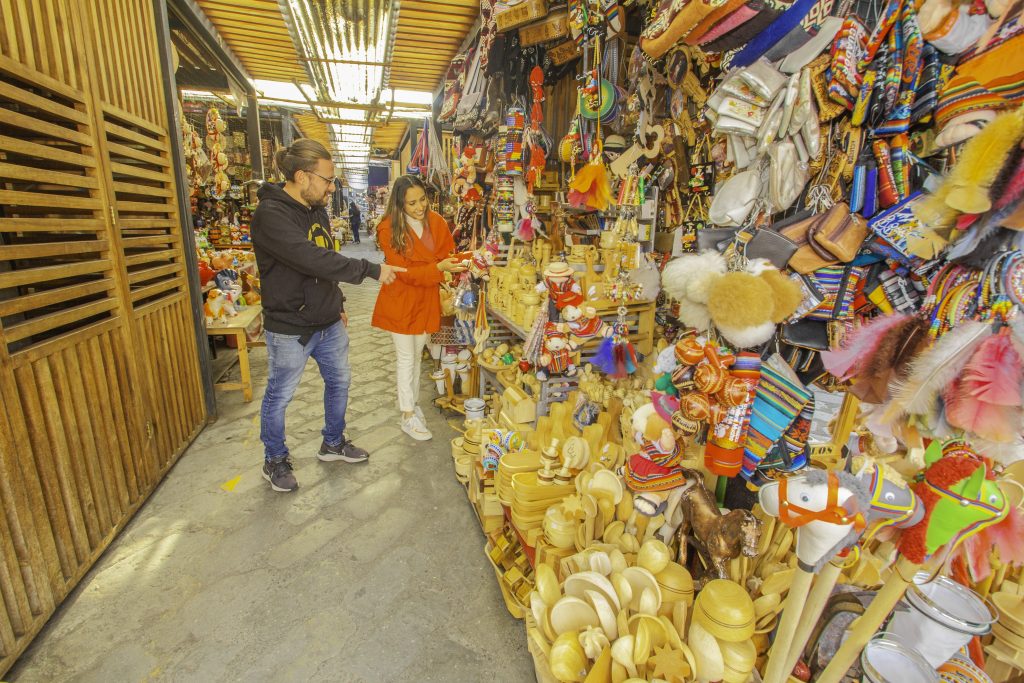
The CEMUART is the space where artisan skills and crafts can be appreciated the most in the city of Cuenca. Eighty artisans from various branches energize the physical space, turning it into a true reflection of how the craft workshops contribute with their work to the consolidation of Cuenca as the World City of Crafts.
Day 2:
To start the day in the perfect way, we recommend having breakfast in one of the traditional wood-fired oven bakeries located in the Todos Santos neighborhood at the historic sector of the city.
Next, we suggest you visit the Cajas National Park, following the recommendations of the full day itinerary.
Upon returning to Cuenca, we recommend you visit the parish of Baños, a place where you can enjoy a relaxed afternoon/evening in one of the spas with hot springs, which have waters that flow from underground and are located along a volcanic fault of more than 10 km in length. Scientists who have analyzed the thermal waters of Baños agree that they have unique characteristics that make them ideal for the treatment of countless ailments. This area offers various facilities for tourists to enjoy; among them are: swimming pools, saunas, Turkish baths and sports courts.
We recommend that you visit:
- Piedra de Agua Hot Spring and Spa
- Novaqua Thermal Spa
- Hostería Durán
- Hostería Agapantos
3-DAY SCHEDULE
Day One
There are many options to visit in Cuenca in a few hours; however, below, we present you a schedule that brings together the most important tourist spots in the city.
We recommend you start the tour with a visit to the Plaza de San Sebastián and its surroundings. Walk down from Simón Bolívar Street, where you will behold the French-influenced buildings, to the Inmaculada Concepción Cathedral (New Cathedral); from here we can go to various points of interest: Seminario San Luis, Santa Ana Street, Calderón Park, Catedral Vieja (Old Cathedral), Plaza de las Flores and the church of El Carmen de la Asunción. Next, visit the Sombrero de Paja Toquilla (“Panama hat”) Museum, the ravine of river Tomebamaba and the famous Puente Roto (a bridge).
Have lunch at a local cuisine restaurant and after that, we suggest you visit one of these museums:

Museo de Arte Moderno (Museum of Modern Art)
The municipal Museum of Modern Art operates in the old Casa de la Temperancia, built at the end of the 19th century. Currently, the public that visits it can enjoy of: exhibitions of contemporary art, a library specialized in art, concerts, etc.
Casa del Sombrero (“House of the Hat”) Municipal Museum
The “Casa del Sombrero” Museum has four permanent exhibition halls where visitors can appreciate the art of weaving the toquilla straw hat (“Panama hat”) through videos, photographic representations, objects and materials used over time for this craft, which has been practiced since pre-Columbian times.
Catedral Vieja (Old Cathedral) Museum
Within its facilities, the visitor can admire a variety of works and objects from the colonial era, such as: mural paintings dating from 1573, chapels, adobe walls, some Inca stones, among others. Here, visitors can also find works of art such as the Sangurima pulpit and “La Piedad de la Escuela” by Miguel Vélez; these are just a sample of the quality of artists and craftsmen in our city.
Day two
In addition to the options mentioned above, we recommend that you visit the “Bioparque Amaru” (biopark) in the morning, a wildlife rescue and research center.
Have lunch at the Museo de la Gastronomía del Ecuador (“Ecuadorian Gastronomy Museum”) restaurant, a place where in addition to enjoying traditional food from the region, you can learn more about the history of food of this country, from the aboriginal peoples to the present day.
In the afternoon, we recommend you visit the “El Boquerón” tourist viewpoint, which is located in the Turi parish. Here, it is possible to get a spectacular view of the city of Cuenca and its surrounding areas, as well as walk on trails in the forest and behold the flora and fauna of the place.
Day 3:
For the third day in our city, we suggest you visit one of the following tourist attractions:

Ruta artesanal Santa Bárbara (Gualaceo, Chordeleg y Sigsig).
The tour begins with a trip to the picturesque parish of San Bartolomé (Sigsig), a place famous for the manufacturing of handmade guitars. There are several workshops along the main road. We also recommend you visit the central park and the church of San Bartolomé.
Along the way, it is possible to see the famous “Cholas Cuencanas”, women from the rural area who weave hats from toquilla straw while carrying out their daily activities or waiting for the bus. Then you will arrive at the Chordeleg canton, where crafts of: gold, silver, filigree, wood, ceramics, among other materials, are made with fine details and great luxury. We recommend you visit the central park, the church and visit its various craft stores.
Later, we recommend you visit the traditional food market of the Gualaceo canton, where visitors can taste the famous “chancho hornado”, a dish made from pork, accompanied by “llapingachos” (potato cakes) and salad. Additionally, you can try traditional drinks such as “rosero” accompanied by a quesadilla.
On the way back to the city of Cuenca, you can visit the company “Ecuagenera”, a place of research, conservation, propagation, exhibition and sale of orchids.
Finally, you will arrive at the “Taller de la Macana” (macana workshop) of Mr. José Jiménez. Here the craftsman, along with his family, will explain the process of making this famous and unique textile.
Ingapirca Archeological Complex
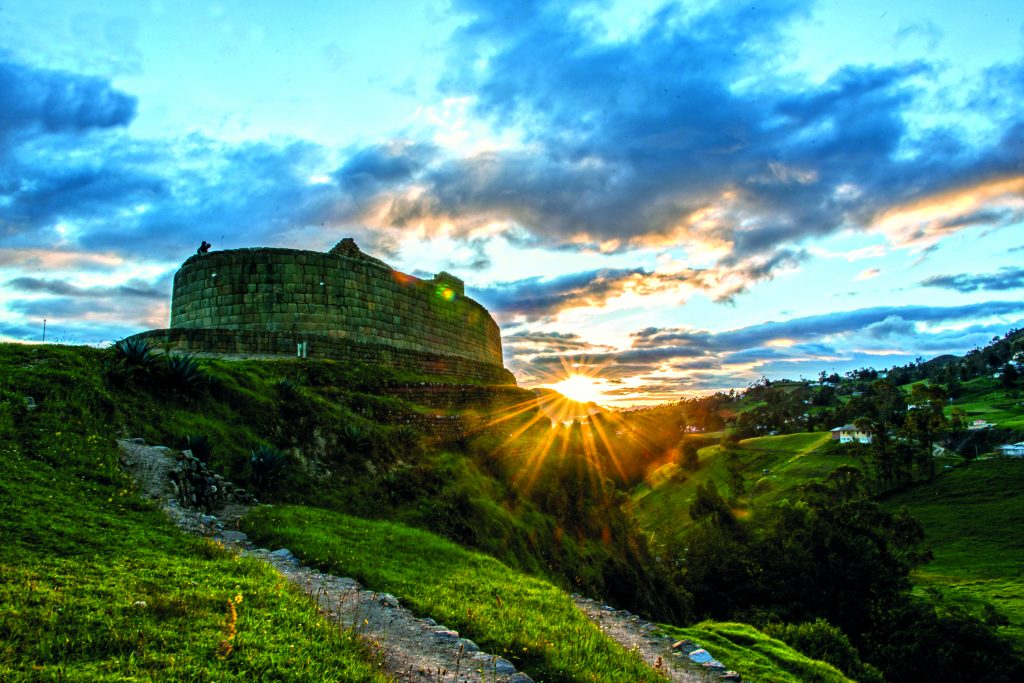
To get to the Complex you must take the Panamericana Norte Av.; on the way you will see beautiful Andean landscapes. It crosses the city of Azogues, capital of the province of Cañar in the direction of Biblian, in order to visit the Gothic-style church of the “Virgen del Rocío” which is “attached” to a rocky mountain. Next, you will have the opportunity to try Ecuadorian traditional dishes made from pork (cascaritas (pork cracklings), fritada (fried pork), sancocho (broth) and more). Then, visit the indigenous market in the city of Cañar to finally reach the Ingapirca Archaeological Complex with the aim of learning about the way of life of pre-Columbian cultures and the conquest of these territories by the Inca Empire.